
Modern orthodontic practices continue to adopt digital workflows, including intraoral scanning, 3D printing, and in-house appliance fabrication. As these systems expand, the digital lab coordinator orthodontics role helps practices streamline production, reduce reliance on outside labs, and keep turnaround times consistently fast. With someone focused on managing digital files and supporting appliance accuracy, teams gain more control over treatment efficiency and overall patient experience.
If you want help deciding whether your practice is ready for this role or how to begin training, Trapezio welcomes your call at (877) 976-4536. Their team can walk you through what skills to look for, how onboarding works, and whether the Digital Lab Coordinator course is the right fit for your workflow.
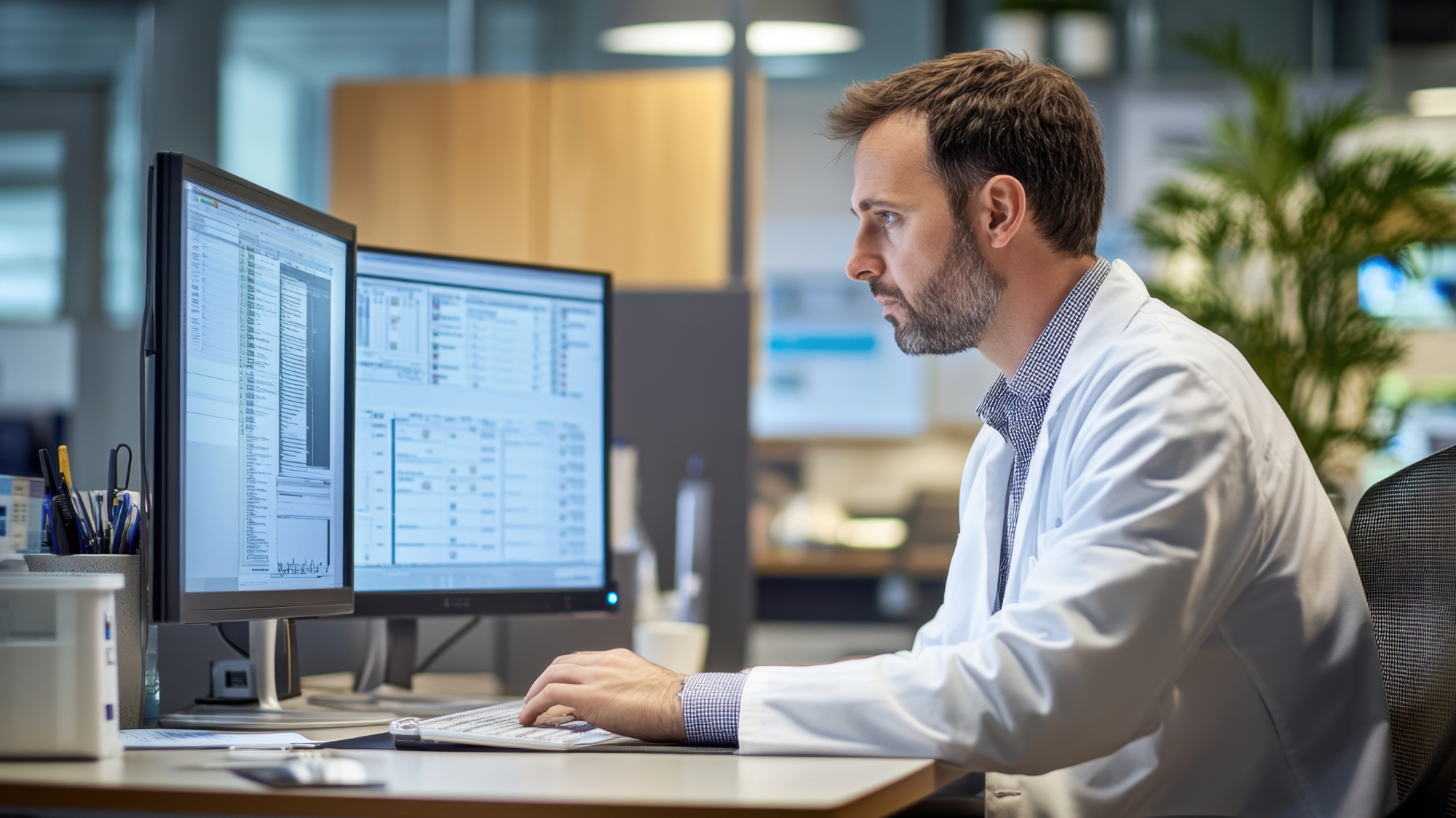
The Digital Lab Coordinator Role in Modern Orthodontics
The digital lab coordinator focuses on managing the technical side of a practice’s digital workflows. This role ensures that scans, 3D printing, and appliance production operate smoothly and meet clinical standards.
What the Digital Lab Coordinator Does in an Orthodontic Practice
A digital lab coordinator supports the clinical team by handling key digital tasks, including scan organization, appliance preparation, and quality checks on printed models or devices. By also preparing cases and coordinating workflows with external labs such as 3M, Invisalign, and LightForce, they relieve doctors of administrative and technical tasks while ensuring each appliance is accurate and ready on schedule.
How Advancing Digital Technology Created This Position
As intraoral scanning, digital imaging, and 3D printing became standard, orthodontic teams needed a dedicated point person to manage these systems. Expanding in-house capabilities created new responsibilities that traditional lab roles were not structured to cover.
Why This Role Has Become a Specialized Technical Position
Modern digital workflows require someone who understands software, equipment, and production processes. The digital lab coordinator now works as a technical specialist who ensures digital files, printers, and appliances meet clinical requirements, not simply as an extension of a traditional lab role.
How Early-Adopter Practices Helped This Role Take Shape
Practices that embraced digital tools early recognized the growing volume of digital tasks and created positions to manage them. Their success helped define the responsibilities and expectations that many orthodontists now follow when establishing this role.
Core Responsibilities of a Digital Lab Coordinator
The digital lab coordinator manages key digital workflows to keep appliance production accurate and efficient.
Managing Intraoral Scan Files
The coordinator prepares, cleans, and organizes digital impressions to maintain accuracy, ensuring scan files are compatible across software systems so production and clinical teams can work seamlessly. By managing digital files and communication with outside labs, they also allow doctors to focus on patient care instead of tracking case details.
Overseeing 3D Printing Operations
They set up and calibrate 3D printers, perform routine maintenance, and manage print schedules to keep the team on track. After printing, they handle post-processing, cleaning, and quality checks to ensure each appliance meets specifications.
Appliance Fabrication & Finishing
The coordinator manages digital designs for appliances such as retainers, templates, and aligners. They perform finishing steps, including trimming, polishing, and fitting checks, to guarantee high-quality results.
CAD/CAM Software Proficiency
Using design software, they edit scans, create appliances, and prepare files for printing. Staying current with software updates and best practices ensures consistent accuracy and efficiency.
Documentation & Compliance
The coordinator maintains digital records, tracks cases, and follows clinical and regulatory standards. They support traceability and version control, ensuring each appliance can be tracked from design to delivery.
How a Digital Lab Coordinator Improves Efficiency and Reduces Costs
Bringing a digital lab coordinator into the practice helps teams work faster, reduce expenses, and maintain high-quality appliance production. This role directly impacts operational performance and patient experience.
Cutting Turnaround Times Through In-House Production
By managing in-house 3D printing and appliance fabrication, the coordinator reduces the time it takes to move from scan to finished appliance. Faster production means patients receive devices sooner and clinical schedules stay on track.
Lowering Lab Fees and Gaining Control Over Customization
Producing appliances in-house lowers dependence on external labs, reducing fees and giving the team more control over scheduling and customization. Practices can respond more quickly to unique patient needs.
Reducing Remakes and Improving Clinical Accuracy
Accurate scan management and careful appliance finishing minimize errors and remakes. This improves the quality of appliances, leads to smoother patient visits, and strengthens overall clinical outcomes.
Strengthening Operational Efficiency for the Entire Practice
With one team member coordinating digital production, workflows stay organized and predictable. Clinical, administrative, and production teams can focus on their responsibilities, improving overall efficiency. The coordinator also manages communication with external labs, easing the doctor’s administrative load and keeping cases on track from scan to delivery.
How Orthodontic Practices Are Filling the Digital Lab Coordinator Role
Orthodontic practices take different approaches when bringing a digital lab coordinator on board. Whether by developing existing staff or hiring new talent, each method helps practices integrate this role efficiently and effectively.
Cross-Training a Clinical Assistant
Some practices expand the responsibilities of a clinical assistant by training them in scan management, 3D printing, and appliance finishing. This approach leverages existing team members who are familiar with practice workflows and patient needs.
Promoting a Tech-Savvy Team Member
Practices often identify staff who already have digital skills and provide additional training to take on the coordinator role. Upskilling an internal team member ensures a smooth transition and maintains continuity across workflows.
Hiring a Specialist with Relevant Background
Some offices bring in someone with experience in dental labs, CAD design, or engineering. These specialists can quickly take on technical responsibilities and may require less initial training, making them a fast path to full in-house digital capability.
Why Practices Choose Each Approach
Decisions often depend on team size, existing skill sets, and practice goals. Cross-training or promotion leverages current staff, while hiring a specialist can accelerate digital adoption. Each approach helps practices improve workflow, reduce lab dependency, and maintain appliance quality.
How Trapezio Supports Training for Digital Lab Coordinators
Trapezio provides targeted training to help practices develop skilled digital lab coordinators efficiently. Their program equips team members with the knowledge and confidence to manage in-house digital workflows effectively.
Introducing Trapezio’s Digital Lab Coordinator Course
The Academy of Digital Lab Coordinator is designed specifically for orthodontic practices. It guides teams through the technical and operational responsibilities of the role, ensuring staff can take on production and digital workflow tasks with confidence.
Onboarding and Upskilling Team Members Efficiently
The course helps practices train existing staff or onboard new team members quickly. It combines practical instruction with hands-on exercises, reducing the learning curve and enabling coordinators to contribute effectively sooner.
Key Components of the Training Program
The course focuses on the core skills a digital lab coordinator needs to manage in-house workflows efficiently:
- Scan Management – Learn how to prepare, clean, and manage digital impressions accurately.
- 3D Printing Basics and Best Practices – Cover printer setup, calibration, post-processing, and quality control.
- Appliance Finishing – Hands-on guidance for trimming, polishing, and fitting appliances.
- Digital Workflow Efficiency – Optimize in-house lab processes for smooth, predictable production.
- Compliance and Documentation – Maintain accurate records and follow regulatory and clinical standards.
These components give team members the practical skills needed to take full ownership of digital lab operations.
Certification Adds Value to Staff and Practice
Completing the course awards certification, giving staff a recognized credential while providing practices confidence that coordinators are trained to industry standards. Certification also encourages accountability and consistent workflow management.
A Practical Solution for Fully Digital Practices
The course serves as a practical, ready-to-implement solution for practices moving toward fully digital labs. Coordinators gain the skills to manage every step of digital appliance production, reducing reliance on external labs and improving overall efficiency.
Frequently Asked Questions About the Digital Lab Coordinator Role
Many orthodontic practices have questions when considering a digital lab coordinator. The following answers address common concerns and provide practical guidance.
What Does a Digital Lab Coordinator Do Daily in an Orthodontic Practice?
Answer: The coordinator manages digital files, oversees 3D printing and appliance production, ensures scan accuracy, and maintains documentation. They support both the clinical team and operational workflows.
How Can My Practice Decide Who Should Fill This Role?
Answer: Evaluate your team’s skills, workflow needs, and interest in technology. Practices may cross-train existing staff, promote a tech-savvy team member, or hire a specialist with relevant experience.
What Skills Are Essential for a Digital Lab Coordinator?
Answer: Key skills include scan management, 3D printing and appliance finishing, CAD/CAM software proficiency, attention to detail, organizational ability, and understanding compliance requirements.
How Does Adding This Role Improve Workflow and Efficiency?
Answer: A dedicated coordinator reduces turnaround times, lowers lab fees, minimizes remakes, and ensures appliances are accurate and ready when needed, freeing the clinical team to focus on patients.
What Training Options Are Available for Digital Lab Coordinators?
Answer: Practices can upskill internal staff or onboard new team members using structured training programs, including Trapezio’s Academy of Digital Lab Coordinator course. Hands-on practice and certification help staff take ownership of digital workflows.
How Long Does It Take to Onboard or Upskill a Team Member?
Answer: Training duration varies with prior experience, but structured programs can prepare coordinators to manage digital workflows effectively within weeks to a few months.
What Are the Typical Costs and ROI of Implementing This Role?
Answer: Costs depend on whether you train existing staff or hire a new specialist. The role often pays for itself by reducing lab fees, cutting remakes, speeding production, and improving overall practice efficiency.
A digital lab coordinator helps practices run more efficiently, improve patient experiences, and maximize the benefits of in-house digital workflows.
Take Action: Bring a Digital Lab Coordinator Onboard With Trapezio
Adding a digital lab coordinator can transform your practice’s efficiency, reduce lab costs, and improve the quality of in-house appliance production. Evaluate whether your team is ready to take on this role and consider the best approach for your office.
Trapezio offers a dedicated training program that helps practices confidently develop skilled coordinators. The Academy of Digital Lab Coordinator provides practical instruction, hands-on exercises, and certification to ensure your team can manage digital workflows effectively.
To learn more or get guidance on bringing this role in-house, call (877) 976-4536. Explore the course online and take the first step toward stronger, more efficient digital lab operations.