
The role of a sterilization and records technician in orthodontics is becoming essential in today’s orthodontic practices. As patient volume increases and expectations around OSHA requirements and CDC infection control guidance grow stricter, practices need clear ownership of sterilization and documentation.
This role helps protect patients, support teams, and reduce operational risk while allowing clinical staff to stay focused on direct patient care.
Questions about formalizing this role in your practice? Contact Trapezio at (877) 976-4536 for training and compliance support.
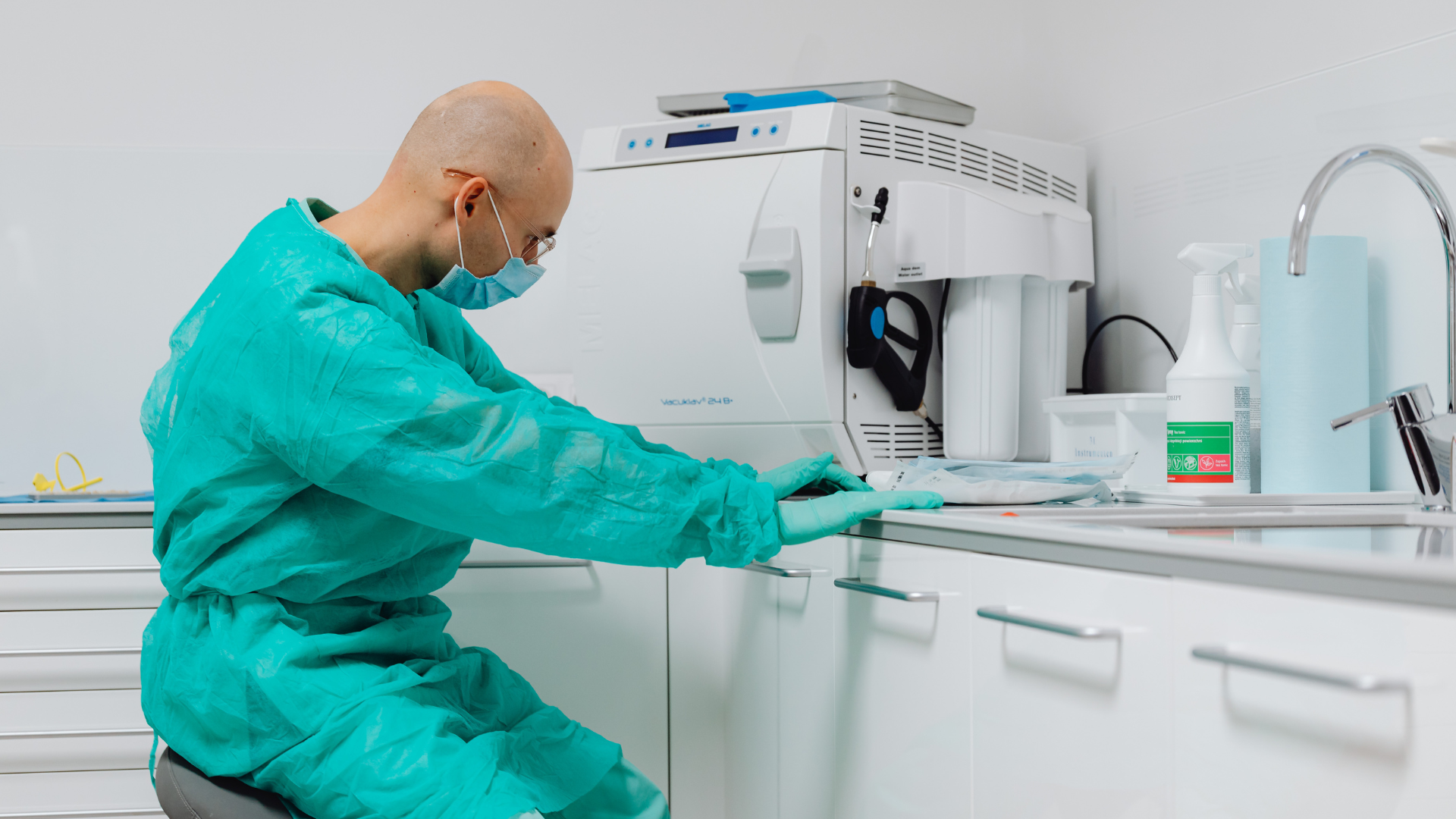
The Combined Sterilization and Records Technician Role in an Orthodontic Practice
Orthodontic practices increasingly define sterilization and records oversight as a single, accountable role to support consistency, compliance, and efficiency.
What the Sterilization and Records Technician Does in an Orthodontic Practice
A Sterilization and Records Technician manages infection control and clinical documentation systems within an orthodontic office. The role focuses on sterilization processes, compliance support, and records accuracy rather than chairside treatment or direct patient care.
This position works alongside clinical and administrative teams to keep daily workflows organized, consistent, and compliant.
Why This Is a Dedicated Role — Not an “Extra Duty”
Assigning sterilization and records tasks as secondary responsibilities can create gaps in accountability. Inconsistent processes, missed documentation, and compliance risks become more likely.
A dedicated role establishes clear ownership, improves consistency, and strengthens inspection readiness. Formalizing the position reduces variability and supports reliable execution.
How This Role Supports Modern Orthodontic Practice Operations
Higher patient volume and faster appointment turnover increase the need for role specialization. A combined Sterilization and Records Technician aligns infection control and documentation with digital records and compliance tracking.
This structure supports smoother operations, clearer workflows, and greater confidence across the practice.
Core Responsibilities of a Sterilization and Records Technician
This role carries day-to-day ownership of sterilization, compliance, and records systems to ensure consistency, accuracy, and reliability across the practice.
Instrument Sterilization and Monitoring
The Sterilization and Records Technician owns the cleaning, packaging, sterilizing, and tracking of all clinical instruments used in the practice. They complete and maintain biological monitoring, sterilization logs, and required documentation to support traceability and patient safety.
This role also manages routine sterilization-area tasks, including changing ultrasonic solutions, monitoring cold sterilization effectiveness, and completing scheduled testing protocols. Consistent execution supports process validation and compliance readiness.
OSHA and CDC Compliance Support
The technician maintains OSHA and CDC compliance protocols related to sterilization and infection control. They use checklists and daily, weekly, and periodic logs to document required activities.
They also maintain OSHA documentation systems, including safety binders and SDS/MSDS records. Accurate, up-to-date documentation supports inspection readiness and reduces compliance risk.
Infection Control Protocols
This role enforces infection control standards across operatories and clinical support areas. Clear processes and expectations help ensure consistent adherence.
Daily execution reinforces training and best practices, helping the entire team maintain infection control standards without gaps or shortcuts.
Patient Records and Diagnostic Documentation
The Sterilization and Records Technician supports accurate charting, diagnostic file organization, and record integrity within the practice management system. They capture and organize diagnostic records such as photographs and, when trained and authorized, digital panorex and ceph X-rays.
They upload, label, and manage diagnostic files to support treatment planning and continuity of care. This role also assists treatment coordinators by ensuring patient intake information and diagnostic records remain complete, accessible, and audit-ready.
Operatory Turnover and Clinical Support
The technician owns efficient operatory turnover as a defined responsibility. They prepare and bag instrument trays, restock clinical supplies, and maintain readiness between patients.
Consistent cleanliness and organization support smooth patient flow and staff productivity without rushing care or compromising infection control standards.
How This Role Improves Workflow, Safety, and Team Focus
A dedicated Sterilization and Records Technician turns defined responsibilities into measurable day-to-day improvements across the practice.
Consistency Through Dedicated Ownership
Clear ownership creates consistent execution. When one role manages sterilization and records, processes stay standardized, accountability improves, and daily operations run more reliably.
More Chairside Focus for Clinical Teams
By removing sterilization and documentation burdens from clinical staff, teams spend more time on chairside care. This focus improves efficiency without increasing pressure or cutting corners.
Patient Safety and Trust
Consistent sterilization processes and accurate records strengthen patient safety. Patients notice organized workflows and clear protocols, which builds confidence and trust in the practice.
Reduced Risk and Fewer Workflow Bottlenecks
Reliable documentation and standardized processes reduce compliance risk and support inspection readiness. Clear ownership also minimizes delays, interruptions, and avoidable workflow bottlenecks.
How Orthodontic Practices Are Using This Role Today
Orthodontic practices apply this role in practical ways that match their size, staffing model, and patient volume.
Full-Time Role Assignment
Some practices assign a trained team member to the Sterilization and Records Technician role on a full-time basis. This approach improves consistency, strengthens accountability, and supports ongoing inspection readiness as daily demands increase.
Formalizing an Existing Team Member’s Responsibilities
Other practices formalize the role for an existing assistant or records coordinator. Clear role definition helps set expectations, establish ownership, and ensure compliance responsibilities remain consistent rather than shared informally.
Standard Operating Procedures (SOPs) and Role Documentation
Many practices create clear SOPs tied directly to this position. Standardized processes reduce variability across shifts and help teams follow the same protocols every day.
As patient volume grows, practices often combine sterilization and records responsibilities into one role to eliminate task fragmentation and maintain clear compliance ownership.
Practice-Level Outcomes
Across different models, practices report greater operational confidence, more consistent workflows, and clearer accountability. These outcomes reduce daily stress, limit errors, and support stronger team alignment.
How Trapezio Supports This Role Through Specialized Training
Trapezio offers academy courses designed to help orthodontic practices train Sterilization and Records Technicians with clarity, structure, and confidence.
Dedicated Academy Courses for Sterilization and Records
Trapezio’s recommended courses under the Orthodontic Records Tech & Sterilization category provide focused training for this role. These courses support infection control, documentation accuracy, and compliance readiness in orthodontic settings.
The Orthocommon Knowledge course also strengthens foundational understanding that supports daily responsibilities tied to sterilization, records, and practice workflows.
Structured Onboarding and Upskilling
Trapezio’s training supports structured onboarding for new hires stepping into the role. It also helps existing team members transition into dedicated responsibility with clear expectations and consistent standards.
Compliance-Focused Education
Course content aligns with OSHA requirements and CDC infection control guidance. Training emphasizes documentation standards, required logs, and inspection readiness to support daily compliance.
Best Practices for Sterilization and Documentation
Trapezio reinforces standardized best practices for instrument sterilization, monitoring, and record management. Consistent systems support accuracy, traceability, and patient safety.
Confidence in Regulatory and Infection Control Standards
Training helps teams build confidence in meeting workplace safety and infection control expectations. Clear guidance reduces uncertainty during audits and daily operations.
A Clear Path to Formalizing the Role
Trapezio supports practices ready to formalize this role correctly. Training works for practices using a combined sterilization and records role and continues to support teams that later separate responsibilities as they grow.
Common Questions About the Sterilization and Records Technician Role
Orthodontic practices often have practical questions when evaluating or formalizing the Sterilization and Records Technician role. The answers below address common considerations around scope, structure, and implementation.
What Is a Sterilization and Records Technician in an Orthodontic Practice?
Answer: A Sterilization and Records Technician is responsible for managing infection control systems, sterilization processes, and the accuracy and organization of patient records within an orthodontic practice.
Why Is This Role Becoming More Important in Orthodontics?
Answer: Higher patient volume, faster appointment turnover, and stricter compliance expectations have increased the need for clear ownership of sterilization and records responsibilities.
Can an Existing Team Member Be Trained for This Role?
Answer: Yes. Many practices train an existing assistant or records coordinator to step into this role through structured education and clearly defined responsibilities.
How Is This Role Different From a Dental or Orthodontic Assistant?
Answer: This role does not focus on chairside treatment. It supports clinical care by managing sterilization systems, compliance processes, and documentation behind the scenes.
What Compliance Responsibilities Does This Role Typically Own?
Answer: Responsibilities often include sterilization monitoring, infection control documentation, compliance logs, and maintaining records required for inspections and audits.
How Does This Role Support Patient Safety and Practice Efficiency?
Answer: Consistent sterilization and accurate records reduce errors, support safe care, and allow clinical teams to stay focused on patients.
When Should an Orthodontic Practice Formalize This Position?
Answer: Practices often formalize the role as patient volume increases, compliance demands grow, or sterilization and records tasks begin to strain daily workflows.
Is the Sterilization and Records Technician Role Always Combined, or Do Some Practices Separate These Responsibilities?
Answer: Many practices combine these responsibilities to ensure clear ownership, while others separate them as teams expand and operational needs change.
Clear answers and defined expectations help practices determine how this role fits into their staffing model and long-term growth.
Act Now: Build a Compliant Practice With a Sterilization and Records Technician
Take a moment to assess whether sterilization and records responsibilities in your practice have clear, consistent ownership. When no single role owns these systems, gaps in compliance, efficiency, and accountability can develop quickly.
Formalizing the Sterilization and Records Technician role helps protect patient safety, reduce compliance risk, and support smoother daily operations through structured, role-specific training.
Ready to strengthen compliance and patient safety in your practice? Explore Trapezio’s academy courses or call (877) 976-4536 to train a Sterilization and Records Technician.